Empowering Teenagers: Navigating Challenges and Fostering Community Connections
As teenagers embark on the tumultuous journey of adolescence, they're not just navigating through the changes of their bodies and minds, but also trying to figure out their place in the world. Imagine this: you wake up one day and find that you’re not just dealing with the pressure of schoolwork, but the very essence of who you are seems to be a perplexing puzzle. This is the daily reality for many teenagers. What challenges do they face during this crucial period of adolescent development, and how can they move beyond these hurdles? In this blog, we’ll explore the trials teenagers experience and the pathways to overcoming them through community and support.
The teenage years are characterized by a unique blend of exploration and turbulence. From peer pressure to social connections for teens, every youth grapples with navigating expectations while trying to establish their identity. According to a recent survey, nearly 75% of teenagers feel overwhelmed by their responsibilities. A powerful reminder is shared by a notable figure who said, 'Every challenge you face is an opportunity for growth.' This narrative encourages all of us to shift our perspective about teen challenges from something daunting to something transformative. How can our families and communities better support youth empowerment during these formative years?
Parenting during the teenage years can feel like walking a tightrope. On one side, there’s the desire for independence, and on the other, the need for guidance and connection. Family dynamics play a crucial role in shaping how teens respond to challenges. Open communication is essential—creating a safe space where teens can express their struggles with mental health, peer relationships, and self-esteem without fear of judgment. So, what can parents and guardians do to foster this? Engaging in active listening, encouraging teen hobbies, and joining community engagement activities together can strengthen those bonds and create lasting memories that support adolescents during these crucial years.
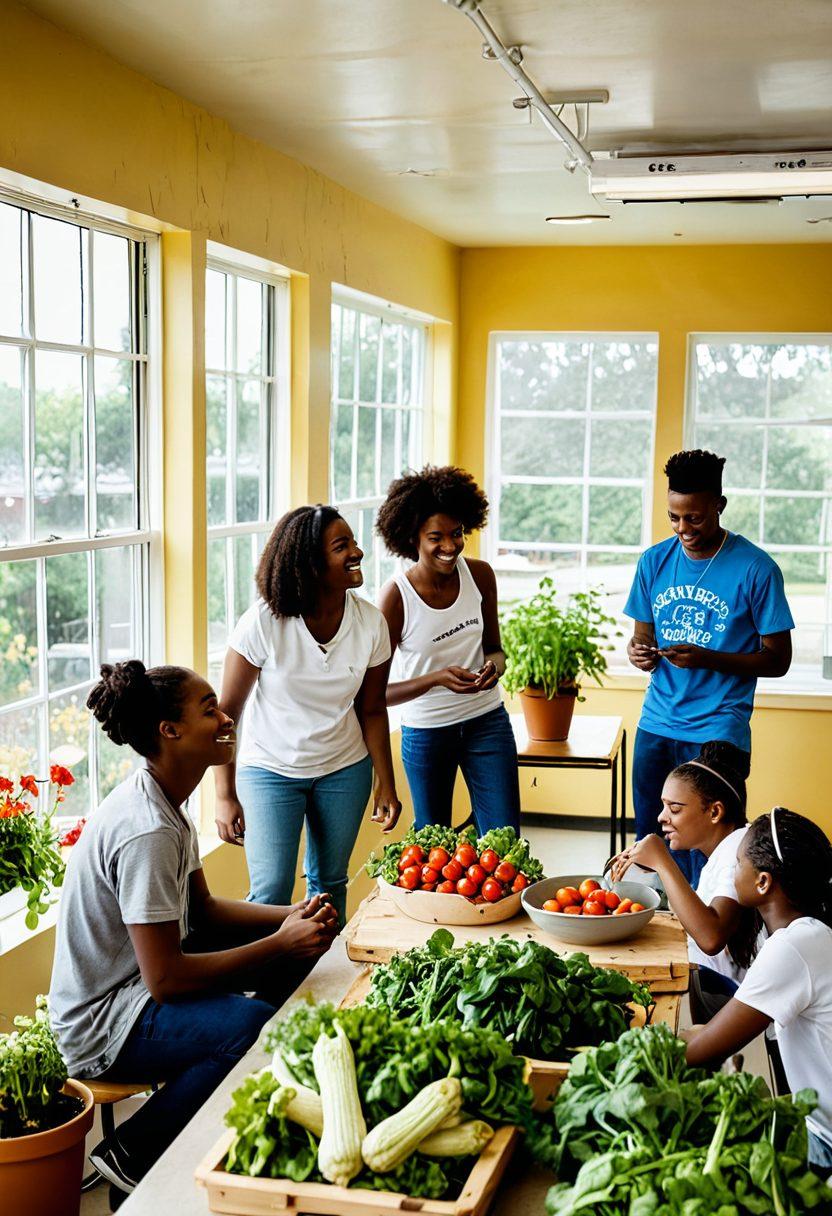
Beyond the family unit, community support is vital in helping teens tackle their challenges. Local youth programs provide resources that empower teenagers to discover their potential through structured activities. Youth empowerment isn’t merely about giving teens what they need, but about equipping them with life skills for teens that foster resilience and adaptability. Picture local volunteer projects where youngsters can build peer support networks, turning challenges into collaborative learning. Have you ever considered how these connections not only enrich their teen lifestyle but also contribute to their overall mental well-being?
In conclusion, each teenager's journey is distinct yet interconnected, and the keys to overcoming the myriad challenges lie within their grasp if they are empowered by community connections, family support, and self-discovery through their interests. By proactively addressing teen challenges and fostering safe spaces for expression, we equip our youth not just to survive their teenage years, but to thrive. So let’s ask ourselves, how can we take small but powerful steps today to better support the teenagers in our lives? Remember, every small engagement adds up to big changes!
Building a Supportive Network: The Role of Community in Teen Empowerment
Building a supportive network for teenagers is essential in today's fast-paced world. Every day, teens are faced with challenges that can feel overwhelming—be it academic pressure, social dilemmas, or the quest for identity. It’s no wonder we see a growing need for community engagement and support systems that can help empower our youth. So, how do we foster a strong foundation that enables teenagers to thrive? The answer lies within the communities we build around them. As we explore the role of community in teen empowerment, let’s consider what makes these connections invaluable for both adolescents and parents alike.
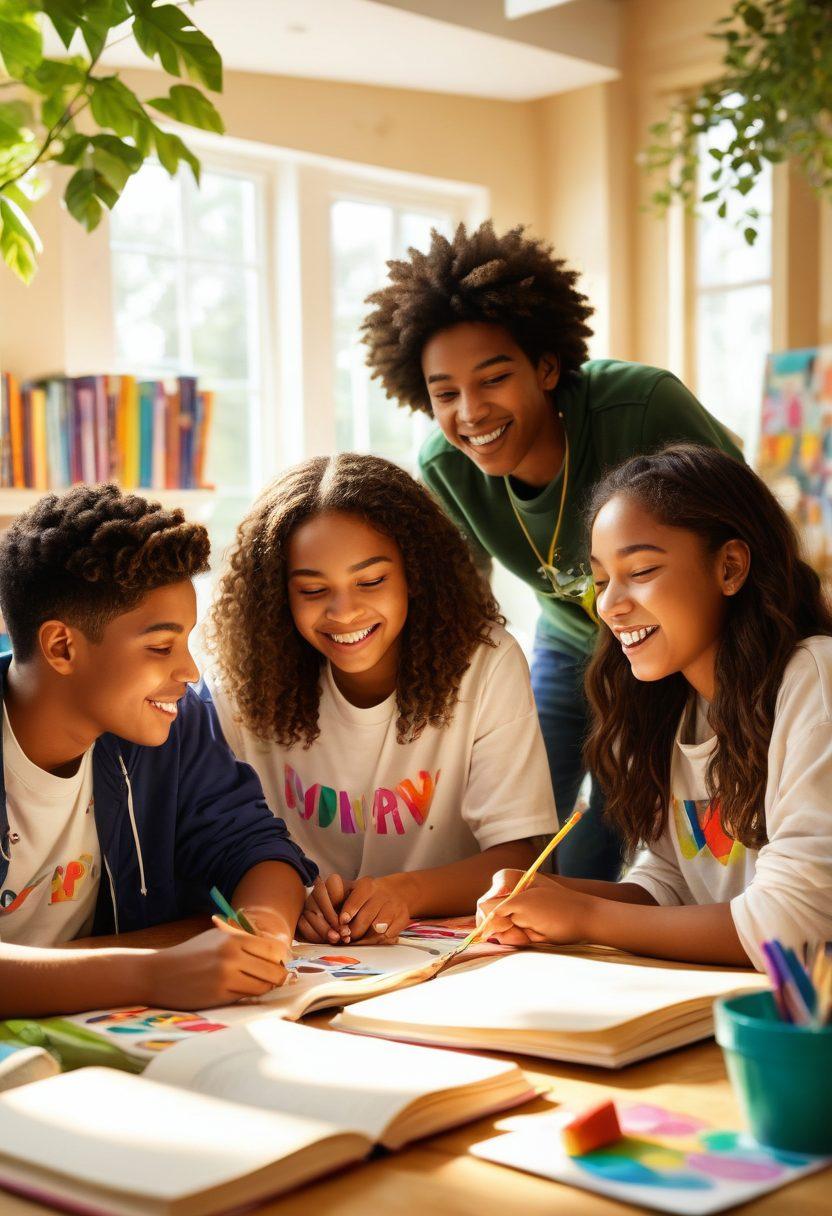
Imagine a bustling community center filled with laughter, creativity, and the spirit of collaboration. This is where youth programs come to life—offering a sanctuary for teenagers to express themselves while growing through shared experiences. Engaging in these teen activities not only enhances their skill sets but also cultivates social connections for teens that are fundamental for their mental health. As renowned educator Rita Pierson once said, "Every kid needs a champion." This emphasizes the importance of adults stepping in to be advocates for our youth, ensuring they feel supported and understood within their communities.
Parenting during adolescence can feel like an uphill battle. Many parents grapple with the evolving family dynamics as their children transition into teenagers. It’s crucial to remember that parenting doesn’t have to be a solo endeavor. By actively participating in community support initiatives, parents can both provide and receive guidance. The sharing of experiences not only fosters personal growth but also ensures that teens see a united front from the adults in their lives. So next time you're juggling the complexities of parenting, consider seeking out community resources and connections that align with your teen’s lifestyle and interests.
But let’s get real—what can you do as a parent or caregiver to foster that supportive community? Start by encouraging your teen to pursue hobbies they’re passionate about. Whether it's joining a local sports team, participating in art programs, or volunteering, these teen hobbies not only strengthen their skill sets but also expand their social circles. Invest some time into understanding available teen resources in your area and help them navigate through options for activities. By doing so, you not only empower them individually but also introduce them to peers who face similar teen challenges.
As we conclude, take a moment to reflect on your own experiences. How has community engagement shaped your adolescent development? The truth is, by investing in the youth and rallying resources in our neighborhoods, we're creating a brighter future for our adolescents. Encouraging peer support and nurturing teen guidance enhances their confidence and prepares them for the complexities of adult life. By collectively embracing the power of community and fostering connections, we can ensure that every teenager has a champion cheering them on—setting them on the path for success.
Essential Life Skills: Equipping Teens for a Brighter Future through Engagement and Guidance
In today's fast-paced world, equipping teenagers with essential life skills is crucial for their personal growth and future success. As they navigate the tumultuous waters of adolescence, it’s important that we, as a community, recognize the need for youth empowerment and how we can facilitate this journey. Life skills empower teenagers to face challenges head-on, enhancing their mental health and enabling them to thrive in their social lives. Think about a time you faced a challenge—what skills did you rely on to overcome it? For teens, developing resilience and confidence is the first step toward building a brighter future.
Teenagers today face a myriad of challenges, from academic pressures to social dynamics, which can often feel overwhelming. Yet, these challenges also present unique opportunities for growth. Young people, when supported through community engagement and meaningful teen activities, can transform their experiences into powerful learning moments. Consider this: without guidance, how can a teenager effectively learn to manage stress or communicate their emotions? By fostering an environment that encourages peer support and the sharing of teen hobbies, we can empower youth to navigate their complex lives with confidence.
One vital aspect of adolescent development is learning essential life skills that go beyond the classroom. Skills such as financial literacy, effective communication, empathy, and critical thinking are foundational for future success. Community support plays an integral role in this; whether it's through youth programs centered around these teachings or family dynamics that promote open discussions, every effort counts. As parents, mentors, and community members, we can encourage teens to participate in local initiatives that reinforce these skills—because when teenagers engage with others, magic happens. They start building social connections that will last a lifetime.
Engagement does not stop at skills; it also encompasses the relationships teens form with each other and the adults in their lives. Positive relationships are crucial for a healthy teen social life, offering a sense of belonging and understanding. How can we help foster these? By organizing activities that promote teamwork or community service projects, we can encourage young people to step out of their comfort zones. Imagine a community where teenagers are not just participants but contributors—what a dynamic place that would be! As they develop connections, they learn to rely on one another for support, paving the way for shared experiences that can shape their adolescent development.
In conclusion, the journey of empowering teenagers is not a solo trek but a shared path built on community engagement, guidance, and support. As we encourage adolescents to cultivate essential life skills, we not only prepare them for their futures but also create a strong, interconnected community. Parents should actively seek out teen resources and programs that not only equip their children with the tools they need but also emphasize the importance of social connections. Remember, every teen has the potential to thrive, but they need our engagement and encouragement to realize it. Let's embark on this journey together and watch our youth transform into the empowered individuals they are meant to be.